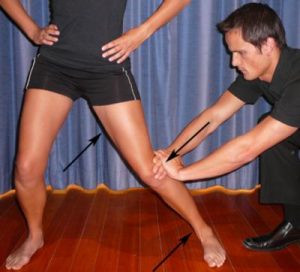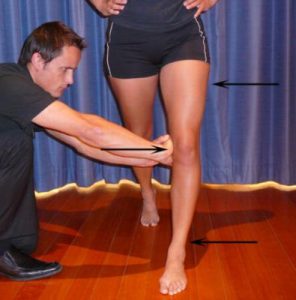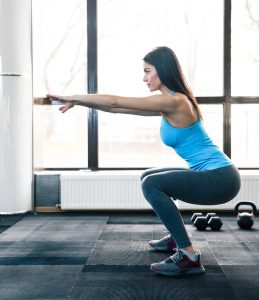
Lunges, like squats are one of the best exercises you can do in the gym too. It’s another exercise that can effectively work on more than one area of your body. An effective exercise means your body will gain the most out of it, so you can reach your goal quicker! However, just like an improperly done squat, the wrong technique will cause you injury and future issues in the knees. It is important that you scrutinise your technique and concentrate on the quality of your lunge.
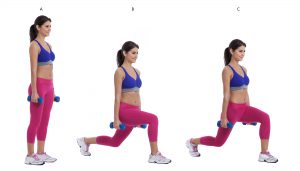
Not only are lunges great for your body, but they are easily done anywhere you’d like to exercise. You may see lunges done out in the park during boot camps (*shivers*). You may also see them done in the gym; you can be creative and use the different weights and bars to increase the intensity of your lunge routine. I personally like to do the lunge at the comfort of your own home. It’s an easy exercise that your body will thank you for!
The most important factor while doing lunges are to make sure your knees are positioned correctly throughout the movement. This means:
- Your knees do not move past your toes at the front
- Your knees do not move rotate inwards
- You keep your body nice and upright
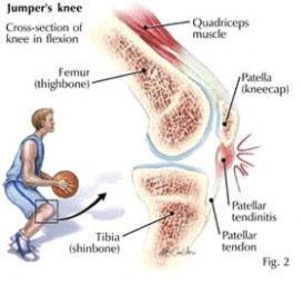
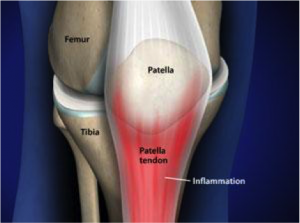
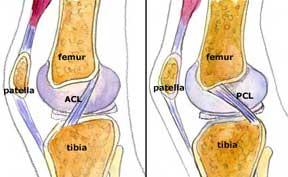
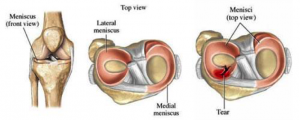
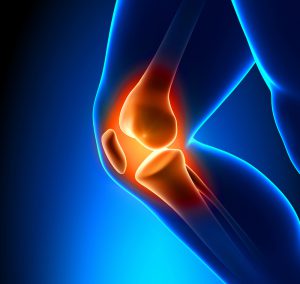
By making sure you follow the above rules, you reduce the chance of any wear and tear around your knee caps as well as reducing any issues that arise due to improper technique. By having your knees moving in the correct way, your knee caps are able to distribute the force much more evenly around its surface area; this reduces stress building up on only one area of the knee cap.
In addition, by doing the exercise correctly, you will gain the most out of your lunge. Correct technique allows your muscles to function at its most effective; which means you can progress yourself and get stronger quicker!
Make sure you have a chat with one of our physios to get the most out of your routine!
 This
This 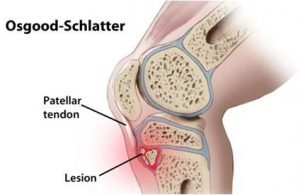
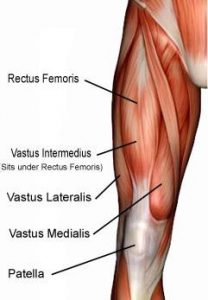 Vastus Intermedialis and the third is the Vastus Medialis Oblique. Each of these muscles attaches onto the patella and has its own direction of pull. The VL pulls the knee cap laterally (to the outside), while the VI pulls the knee cap directly upwards. The VMO, meanwhile, pulls the patella medially (to the inside).